
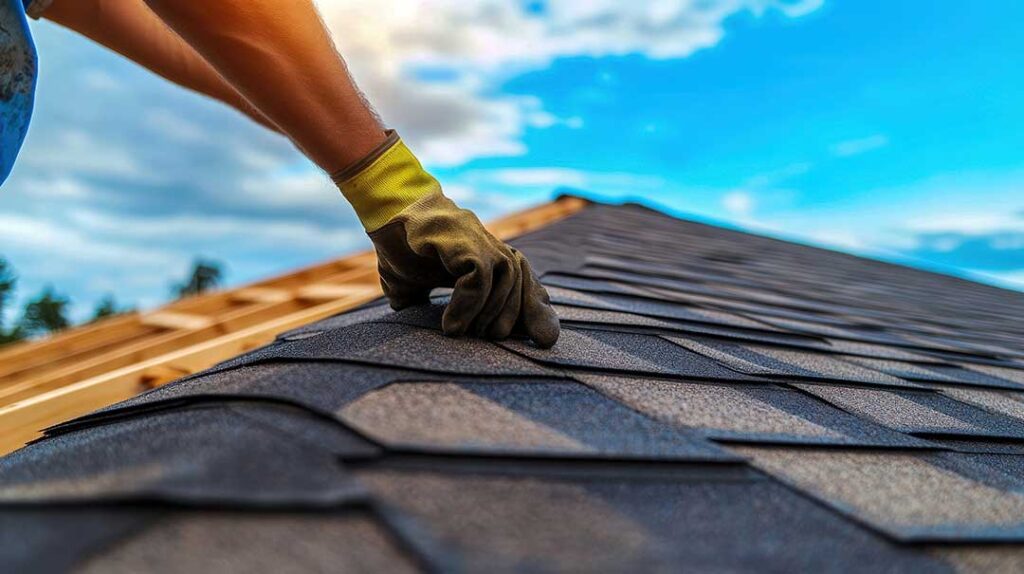
How Can You Tell If an Asphalt Shingle Roof Is Aging?
Signs of aging in asphalt shingles are often visible from the ground and can indicate when a roof is nearing the end of its useful life. In Dansville, fluctuating temperatures, winter snow, and occasional ice can speed up wear.
Common indicators include:
- Curling or cupping edges—shingles begin to lift or bend away from the roofline
- Cracked, brittle, or missing tabs—loss of flexibility makes shingles break or fall off, especially after wind events
- Faded or patchy coloring—UV exposure and weather gradually wash away protective granules, causing uneven coloration across the roof
- Granules accumulating in gutters—a sure sign the protective layer is being lost, which speeds up further wear
Local residents sometimes mistake shingle darkening for mold; often these are “shadow lines” from aged granules or natural wear. If shingle surfaces look bare in areas, that's a clear sign they’re past their prime.
What Does Aging Look Like on Metal Roofing?
Metal roofs can last many years in the city, but exposure to seasonal changes can leave clues as metal ages.
Look for:
- Discoloration or chalking—sun exposure eventually fades paint or protective coatings, leading to a chalky look or uneven coloring
- Rust, especially at seams or fastener points—even with galvanized protection, water getting under fasteners or at roof edges can promote corrosion
- Loose or raised screws—fasteners can back out as panels expand and contract with temperature swings, particularly after harsh winters
- Noise changes—older metal roofs may sound different in the wind due to loosened seams or panels
Local snow loads and ice dams occasionally contribute to fastener leaks. Be alert for damp spots or rust inside attics; this sometimes signals aging seams or flashing letting in meltwater.
How Do Older Slate Roofs Show Wear?
Slate is prized for longevity, but even natural stone weathers over decades in Dansville’s freeze-thaw cycles.
Typical signs include:
- Thin, delaminated, or broken tiles—freeze-thaw can make slate flake or split along natural layers
- Powdering at slate edges—a subtle sign of surface breakdown as slates age
- Slipped tiles—slate sometimes loosens as its copper or iron fasteners corrode underneath
- Moss or lichen growth—shade and moisture between slates encourage plant growth, which can push tiles apart or trap destructive moisture
Many homeowners think moss must mean the slate is ruined, but it often signals just the need for cleaning. However, visibly broken or missing tiles, or sliding slates after high winds, mean the roof needs attention.
What Should Residents Watch for on Wood Shakes or Shingles?
Dansville’s humidity in warm months, plus periodic snow, makes wood shake aging fairly straightforward to spot.
Key indicators are:
- Warping, cupping, or curling—water absorption and sun exposure make wood lose shape with age
- Splitting and cracking—frost and heat cycles widen cracks, especially in older shakes
- Mold or moss—damp local springs support organic growth; this can signal deeper moisture problems
- “Feathering” or fraying along edges—ends of wooden pieces wear thin, especially after several decades
Some residents mistake weathered surface color for a failing roof. Gray or silver wood is typical as shakes age; look more closely for deep splits or pieces pulling up instead.
How Is Aging Different for Flat or Low-Slope Roofs?
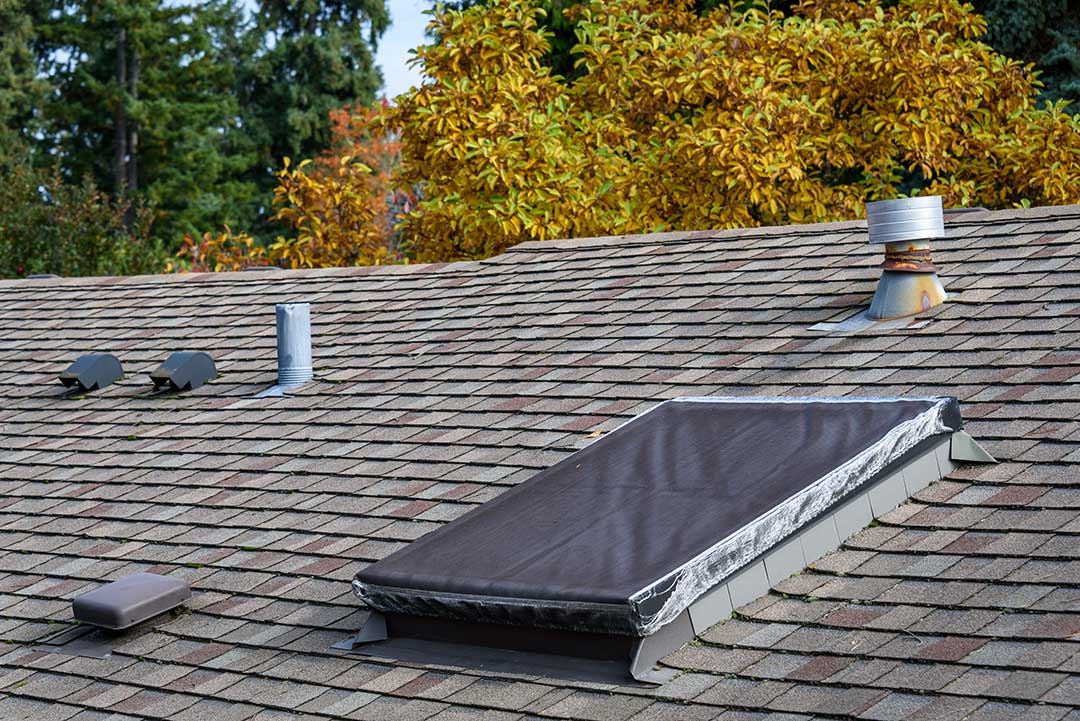
Flat and low-slope roofs in the area typically use materials like built-up roofing (BUR), modified bitumen, or EPDM rubber, all of which show unique age signs.
Watch for:
- Blistering or bubbling—trapped moisture causes raised spots that can split open over time
- Cracking or “alligatoring”—surfaces develop a cracked pattern like dried mud as sun and cold shrink and expand the top layer
- Ponding water—flat sections with standing water after rain are especially common in early spring, indicating aging membranes or blocked drains
- Seam separation—edges, overlaps, or flashing pull away with yearly freeze-thaw cycles
It’s a misconception that small bubbles need urgent replacement—many stay stable for years. However, widespread cracking or leaks indoors after storms are more serious flags.
Are There Weather-Specific Aging Signs in Dansville?
Dansville’s winter snow loads, spring temperature swings, and fall leaves all affect local roofs differently compared to drier or milder regions.
Some locally common issues:
- Ice dam formations—showing as water stains on walls or ceilings below, these often signal past or ongoing roof edge aging
- Heavy spring winds—commonly lift aging shingles or flashings, especially on older asphalt and slate roofs
- Rapid freeze-thaw cycles—cause more surface cracking and edge wear on both flat and sloped roofs in the city
Residents sometimes believe only old roofs are affected by weather, but even newer roofs can develop premature wear if attic ventilation is poor, gutters clog, or debris is left to rot on the roof surface.
How Can Homeowners Distinguish Normal Wear from Serious Problems?
Not all visible changes mean a roof has “failed.” Some surface aging is typical with local seasons and doesn't immediately threaten watertightness.
Consider:
- A few granular bald spots or faded areas = age but not emergency
- Sagging structure, daylight visible through boards, or widespread missing material = urgent attention needed
Aging should be taken seriously when roof performance changes—for example, new leaks, increased attic moisture, or visible interior damage. For many, regular observation during routine yardwork or seasonal cleanup is the easiest way to catch problems early.
