
What Are Roof Eaves and Why Do They Matter?
Roof eaves are the edges of the roof that extend beyond the walls of a home. In Dansville, NY, this feature is more than just decorative—roof eaves serve as a critical design element that supports both the function and longevity of local homes. By creating an overhang, roof eaves help shield the walls of a house from rain, snow, and sunlight, making them especially vital in the area's variable weather.
How Do Eaves Protect Against Water Damage?
Eaves redirect rainwater and melting snow away from the siding and foundation. This means less risk of water seeping into exterior walls or pooling near the base of a house, which can lead to rot, mold, or even foundation cracks. In a city like Dansville, where freeze-thaw cycles are common in late winter and early spring, the ability to shed water away is crucial for maintaining structural integrity.
- Gutters are often mounted on eaves, catching runoff and channeling it safely away.
- By minimizing direct rainfall on walls, eaves reduce paint peeling and siding deterioration.
Can Eaves Improve Energy Efficiency in Dansville’s Climate?
Yes, correctly sized eaves can make a home more comfortable and economical to heat or cool. During summer, they provide vital shade, helping to block the high midday sun and keep upper floors cooler—especially important in homes with south- and west-facing exposures. In winter, when the sun sits lower in the sky, eaves still offer some protection, but allow more sunlight in for natural warming.
This passive design strategy was used in many older homes and is still valued for energy savings in new construction throughout Dansville.
How Do Eaves Help Reduce Ice Dams in Winter?
Ice dams form when heat escaping from an attic melts snow on a roof, which then refreezes at the edge. Eaves—especially when paired with proper attic insulation and ventilation—allow snowmelt to drain off instead of backing up under shingles.
Local factors like persistent snow cover and fluctuating winter temperatures increase the risk of ice dams. Protecting eaves and keeping gutters clear during the colder months helps local homeowners avoid leaks and costly repairs.
What Kinds of Eaves Are Common in Local Homes?
Several types of eaves are seen in Dansville homes, reflecting both architectural style and practical needs:
- Exposed eaves: Show rafters and structural elements, common on Craftsman-style houses.
- Closed or boxed eaves: Feature soffits that enclose the space beneath, helping keep out debris and wildlife.
- Wide overhangs: Typical on bungalows and ranches, these provide extra shade and protection from heavy rain.
The choice often depends on aesthetics and how much weather protection is needed. In regions with frequent storms or older housing stock, larger and enclosed eaves are particularly valuable.
Are There Local Building Code Considerations for Eaves?
Most homes in Dansville are subject to building codes that address eave design for drainage, fire prevention, and structural strength. Minimum overhangs may be required to ensure proper water management. Some properties, especially those near forests or rural lots, must use fire-resistant materials or designs that limit bird and rodent access.
Residents updating or repairing eaves should be aware that permits may be needed for changes affecting the footprint or exterior of the house.
What Problems Can Develop with Roof Eaves?
Without regular care, eaves can become a weak link in a home’s weather barrier. Common issues in the area include:
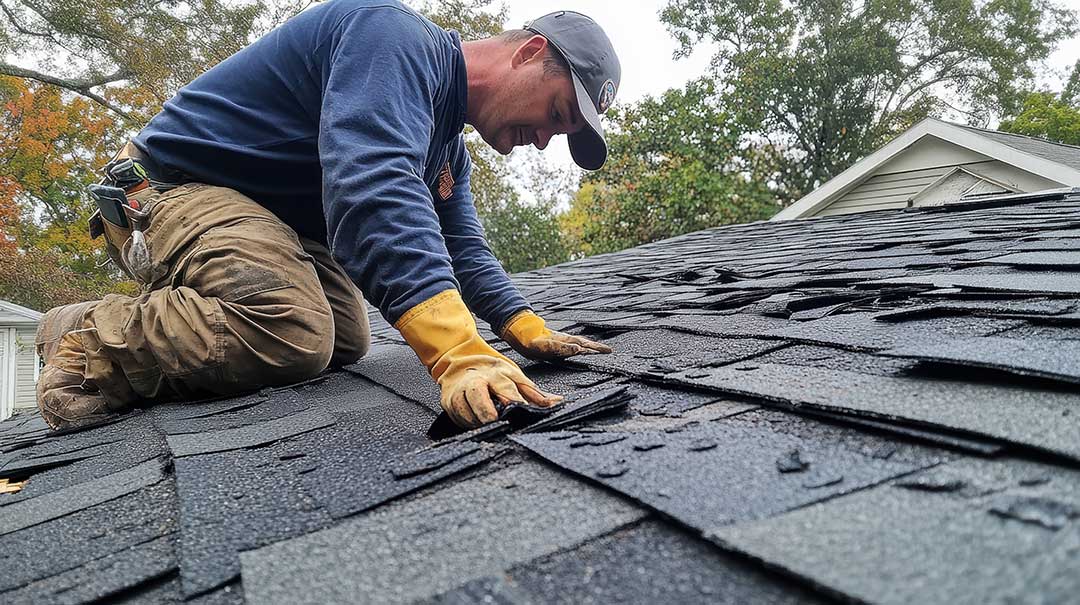
- Rotting or water-damaged wood: Caused by clogged gutters or poor drainage, especially after ice buildups.
- Animal nests: Squirrels, starlings, and wasps may nest inside open eaves or soffit areas.
- Peeling paint or mold growth: Indicates prolonged moisture damage, potentially from leaking gutters or undetected roof leaks.
Simple seasonal checks each fall and spring can spot these problems before they worsen. Keeping gutters clean and trimming back trees helps prolong the life of eaves in the unpredictable climate of the city.
What Are Some Misconceptions About Roof Eaves?
One common misunderstanding is that eaves are optional or purely decorative. In reality, they are crucial for the overall resilience of a home, especially in areas with significant seasonal precipitation. Another misconception is that all eaves are the same—variations in size, ventilation, and enclosure can affect how effective they are in keeping a house dry and energy-efficient.
Residents sometimes assume closed eaves eliminate all pest entry, but damaged soffits or gaps can still let in birds and small animals, so periodic inspection is wise.
How Can Local Residents Maintain and Preserve Eave Integrity?
Practical steps for Dansville households include:
- Checking for cracked, peeling paint or soft spots that signal wood rot or water ingress.
- Clearing out gutters before late fall and spring to avoid blockages.
- Looking for animal activity or insect nests in soffits and overhangs.
- Making sure downspouts discharge well away from the foundation to prevent pooling.
- Watching for icicle buildup, which might indicate poor attic insulation or ventilation.
By staying attentive to eaves throughout the year, residents can prevent common household headaches and keep their homes protected against Dansville’s mix of wet springs, humid summers, and cold, snowy winters.
