
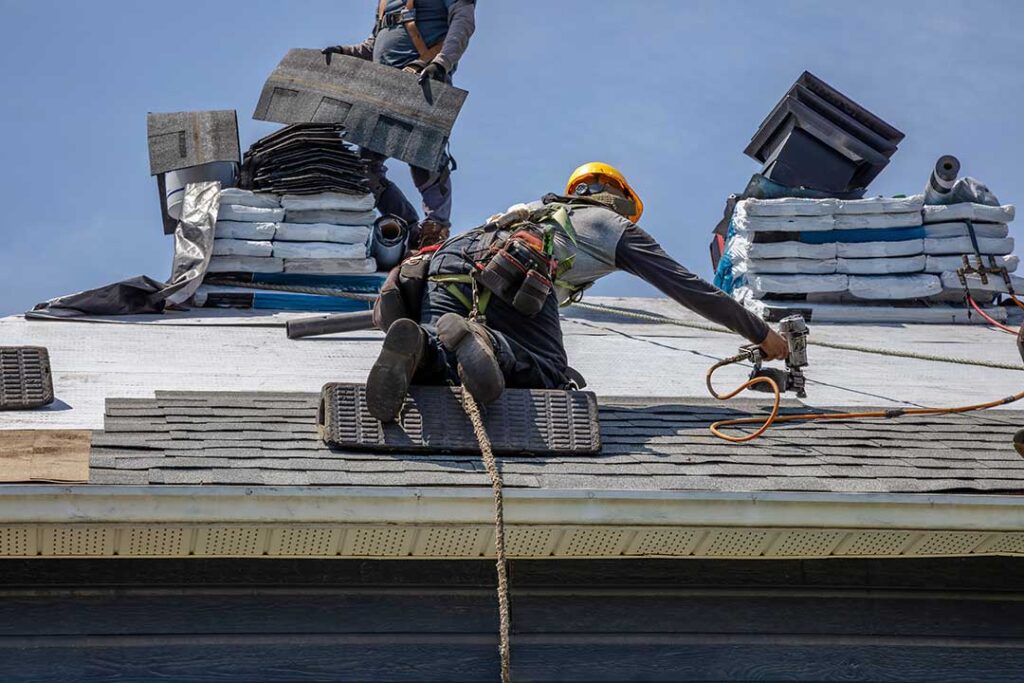
Can a New Roof Really Make Indoor Air Healthier in Dansville, NY?
Yes, installing a new roof can help reduce indoor allergens for many households in Dansville, NY. Your roof directly impacts how much dust, pollen, mold, and other irritants end up inside your living space. Roofs that are old, damaged, or improperly installed are more likely to let in outdoor allergens and contribute to poor indoor air quality.
Residents who struggle with allergies—especially during wet springs, windy autumns, or when pollen is high—often notice breathing easier after major roof repairs or replacements. This benefit is mostly due to better sealing, improved ventilation, and eliminating hidden sources of moisture that contribute to mold and mildew.
How Do Roofs Affect Indoor Allergen Levels?
Your roof acts as the main barrier between the outside environment and your home's interior. In Dansville, the climate can be damp much of the year, with snowy winters, rainy spring thaws, and humid summer spells.
Common ways roofs can let allergens in:
- Gaps or cracks around shingles, flashing, and vents
- Damaged or missing underlayment that allows water, pollen, and dust to slip inside
- Old, rotting wood or deteriorated insulation harboring mold and pests
These problems may not be immediately visible but can significantly worsen indoor air quality. Leaks or drafts may bring in not just moisture that fosters mold growth, but also outdoor particles like pollen and dust that aggravate allergies.
What Types of Allergens Can a Faulty Roof Introduce?
Different roof issues can contribute to several specific indoor allergens often overlooked in the community:
Mold spores: Persistent leaks or condensation allow mold to flourish in hidden attic spaces. Mold spores easily drift into living areas and can trigger respiratory symptoms even at low concentrations.
Pollen and outdoor dust: When shingles are missing or seals fail, wind-driven particles find their way past attic insulation and into ventilation systems.
Animal dander and droppings: Small roof gaps can let in pests like squirrels, bats, or birds, whose dander and waste can become airborne allergens. Pest infestations sometimes remain hidden in attics for years without a proper roof inspection.
Fiberglass particles: In older homes, deteriorating roofing materials and insulation can release tiny fibers into the air—a direct irritant for those with allergies or asthma.
Does the Age or Material of a Roof Matter for Allergens?
Absolutely. Older roofs are simply more likely to fail at excluding irritants and moisture, especially after multiple tough winters in the area. Asphalt shingles tend to develop gaps around nails and flashing after decades of freeze-thaw cycles, making it easier for allergens to enter.
Certain materials and installation methods can influence air quality:
- Modern asphalt and metal roofing systems often provide tighter seals than historic clay or cedar shakes
- Newer underlayment products resist mold and water intrusion more effectively
- Proper attic ventilation, now standard in most new installs, keeps humidity lower and discourages mold
Local housing stock varies, but many single-family homes in Dansville built before the mid-1980s may have insulation or roof structures more prone to leaks and allergen buildup.
What Improvements Do Modern Roofs Offer for Allergy Control?
Installing a new roof isn’t just about shingles—it’s about sealing up the entire roof system:
- Continuous underlayment: Modern membranes create a watertight layer beneath visible shingles, blocking liquid water as well as tiny outdoor particles.
- Improved flashing and ventilation: Enhanced ridge and soffit vents let humid air escape but stop dust and pollen from blowing indoors.
- Integrated attic sealing: During replacement, old, moldy wood and insulation can be removed and upgraded, further reducing sources of airborne irritants.
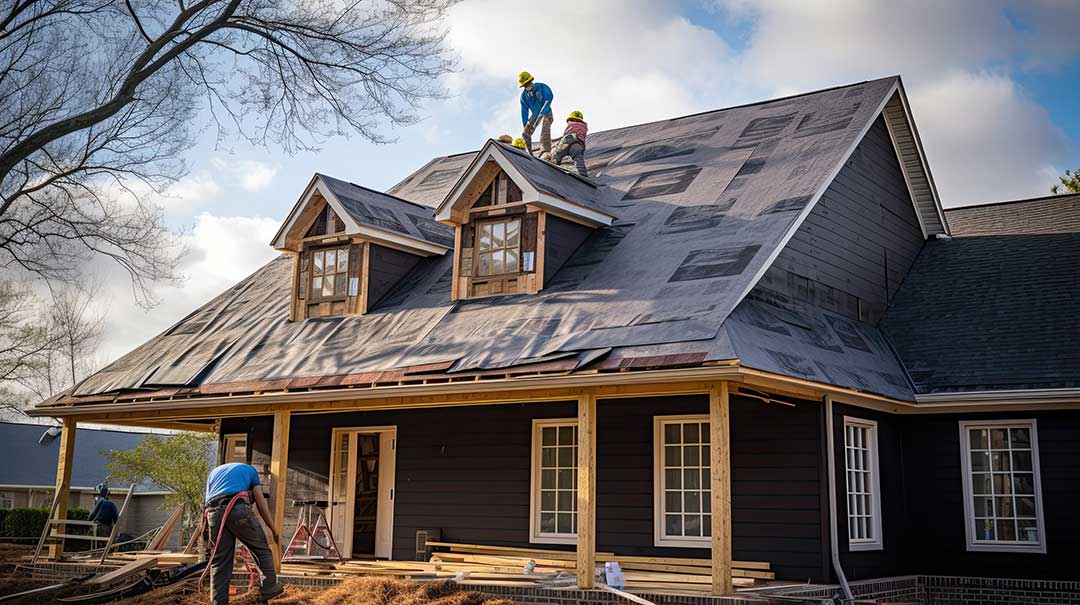
With Dansville's heavy snow and frequent seasonal moisture, these upgrades help households maintain a consistently drier, cleaner attic—cutting off the most common sources of mold spores and outside allergens.
Are There Hidden Challenges to Consider When Replacing a Roof to Reduce Allergens?
Yes, replacing a roof doesn’t automatically resolve every issue:
- Mold already inside walls or attic insulation won’t disappear just because a new roof is installed. Hidden problem areas may need additional cleanup.
- Proper ventilation is critical; sealing a roof too tightly without new vents can increase indoor humidity and actually worsen mold.
- Local building codes in Dansville set specific standards for roof ventilation and materials—these should always be followed for long-term air quality and health.
Discussing concerns with contractors about allergen control during roof work is wise, but general home maintenance is equally important for lasting benefits.
How Can Residents Maximize Allergy Reduction During Roof Work?
For those sensitive to allergens or wanting to reduce future problems, consider these locally relevant tips during roof replacement or major repairs:
- Remove and replace any damp, moldy, or rodent-damaged insulation in attic spaces
- Ask about mold-resistant underlayment and anti-allergen roof materials that suit the upstate New York climate
- Ensure all roof penetrations—vents, chimneys, and skylights—are properly flashed and sealed
- Schedule roof projects for drier, less windy periods to avoid exposing your home to excess dust and pollen during construction
Adding these steps during your next roofing update can solve hidden air quality issues that standard repairs might miss—especially in older homes with suspect insulation or history of leaks.
Common Misconceptions About Roofs and Indoor Allergens
Some area residents believe that indoor allergy issues come mostly from carpets, pets, or houseplants. While those are major factors, the role of a home’s outer shell, especially the roof, is just as critical—especially in homes where past leaks have led to recurring musty odors or visible stains.
A new roof, when paired with good attic cleanup and regular home maintenance, is a core part of creating a healthy environment for families sensitive to allergies year-round, especially given the city’s seasonal weather swings and unique mix of historic and newer homes.
