
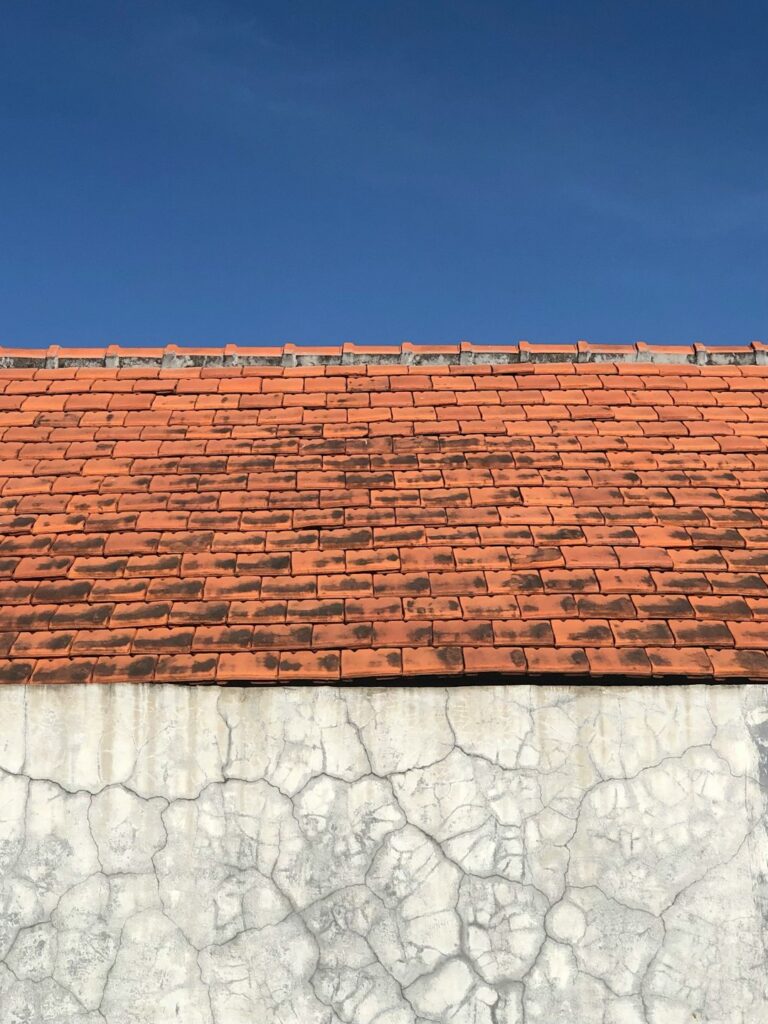
How long should a roof last?
A roof’s service life depends on its material, installation quality, ventilation, maintenance, weather exposure, and age. In general, common asphalt shingle roofs often last about 15 to 30 years, while some higher-quality systems can last longer under favorable conditions.
In Dansville, NY, seasonal weather can shorten or complicate that timeline. Freeze-thaw cycles, snow and ice, strong winds, heavy rain, and summer heat all place repeated stress on roofing materials. A roof that appears acceptable from the ground may still have aging underlayment, weakened flashing, or poor ventilation.
Age alone does not automatically mean replacement is necessary. However, once a roof approaches the expected service range, inspections become more valuable because small defects can develop into leaks with little warning.
What visible signs suggest that replacement may be necessary?
The clearest warning signs are widespread deterioration rather than one isolated defect. A few damaged shingles may be repairable, but replacement becomes more likely when problems affect large sections of the roof.
Look for:
- Shingles that are cracked, curled, blistered, loose, or missing
- Bald areas where the dark protective granules have worn away
- Granules collecting in gutters or at the base of downspouts
- Sagging along the roof surface or between supporting areas
- Dark streaks, damp patches, or staining on attic wood
- Water marks on ceilings or upper walls
- Repeated leaks in different locations
- Damaged or rusted flashing around chimneys, vents, skylights, and roof edges
- Daylight visible through the roof decking inside the attic
A few missing shingles after a windstorm do not necessarily mean the entire roof has failed. Widespread granule loss, repeated patching, or deteriorated materials across multiple slopes are stronger indicators that the system is nearing the end of its useful life.
Does a roof need replacement if it is leaking?
Not always, but a leak should never be ignored. A single leak may come from damaged flashing, a plumbing vent, an ice-related opening, or a small area of failed shingles. In those cases, a targeted repair may solve the problem.
Replacement becomes more reasonable when the leak is part of a larger pattern. Signs of a systemic problem include:
- Leaks occurring in several areas
- Repairs that fail repeatedly
- Soft or rotted roof decking
- Moisture trapped in insulation
- Shingles that are brittle throughout the roof
- An aging roof with little remaining service life
- Damage extending beneath the visible roofing surface
Water can travel along rafters and roof decking before appearing indoors, so the location of an interior stain may not match the actual entry point. A dry ceiling does not prove that an older roof is sound.
How does winter weather affect roof condition?
Snow, ice, and repeated freezing can accelerate roof deterioration. Snow itself is not always harmful, but its weight can add stress to a weakened structure. Meltwater may also refreeze along colder roof edges, creating ice buildup that blocks normal drainage.
Ice-related leaks often occur when water backs up beneath shingles and enters through seams or vulnerable flashing. Poor attic insulation or inadequate ventilation can increase the temperature difference between the roof surface and the attic, contributing to uneven melting.
After a significant winter, residents should watch for:
- New ceiling stains or damp insulation
- Sagging gutters or roof edges
- Shingles lifted by wind
- Ice-damaged flashing
- Excessive granules in downspouts
- Drips that appear during thawing weather

Snow removal from a roof can be hazardous and may damage shingles if done incorrectly. Walking on cold, brittle roofing materials can also cause hidden damage.
Can storm damage mean the whole roof must be replaced?
Storm damage does not automatically require a full replacement. The correct response depends on the type, location, extent, and age of the damage.
Wind may lift or remove shingles, while falling branches can puncture the roof deck. Hail can bruise shingles without creating an obvious hole. If damage is limited and the existing roofing remains in good condition, repair may be practical.
Full replacement is more likely when a storm causes widespread damage or when the roof was already near the end of its service life. Matching older shingles can also be difficult, especially if the original material has faded or is no longer manufactured. A repair that looks different is not always a structural problem, but mismatched materials may make future maintenance more complicated.
Any roof with a large opening, exposed decking, active interior leaking, or visible structural sagging should be treated as a safety concern until it can be evaluated.
What role do gutters, attic ventilation, and flashing play?
Roof performance depends on more than shingles. Gutters, ventilation, insulation, flashing, and roof drainage all influence how long the system remains reliable.
Clogged or poorly draining gutters can allow water to back up against roof edges and fascia boards. Damaged flashing can direct water into walls or attic spaces even when the shingles appear intact. Inadequate attic ventilation may trap heat and moisture, contributing to premature shingle aging, mold growth, and wood deterioration.
A replacement decision should therefore consider the entire roof assembly rather than only the visible surface. Installing new shingles over unresolved ventilation, drainage, or structural problems may provide only temporary improvement.
Is it better to repair an older roof or replace it?
Repair is usually more practical when the damage is limited, the roof is relatively young, and the surrounding materials remain flexible and intact. Replacement deserves closer consideration when repairs are frequent, the roof is near or beyond its expected service life, or deterioration is widespread.
A useful way to think about the decision is to compare the scope of the problem with the remaining life of the roof. Spending heavily on scattered repairs may not be sensible if additional failures are likely soon. Conversely, replacing a roof solely because of one damaged shingle can be unnecessary.
Insurance coverage, deductibles, building conditions, and local requirements may also affect the decision. Insurance generally does not cover ordinary aging or lack of maintenance, while sudden storm damage may be treated differently. Policy language varies, so assumptions about coverage should be checked carefully.
What should homeowners inspect before deciding?
A safe ground-level inspection can reveal useful information without climbing onto the roof. Check roof edges, valleys, flashing, gutters, and visible shingles from several viewpoints. Inside the attic, look for damp insulation, water trails, mold-like growth, rusted fasteners, or daylight through the decking.
Keep records of:
- The roof’s approximate installation date
- Previous repairs and leak locations
- Storm events that caused visible damage
- Interior water stains or recurring moisture
- Gutter and flashing problems
- Changes in attic temperature or humidity
Roof surfaces can be slippery, steep, or structurally unsound. Climbing onto an unfamiliar roof creates fall and damage risks, particularly after snow, ice, wind, or prolonged moisture. Conditions involving structural sagging, exposed decking, electrical hazards, or active water entry require particular caution.
A replacement decision is strongest when based on the roof’s age, visible condition, attic evidence, repair history, and the condition of related components. For area households, planning before a major leak occurs can help avoid emergency decisions during winter weather or severe storms.
