
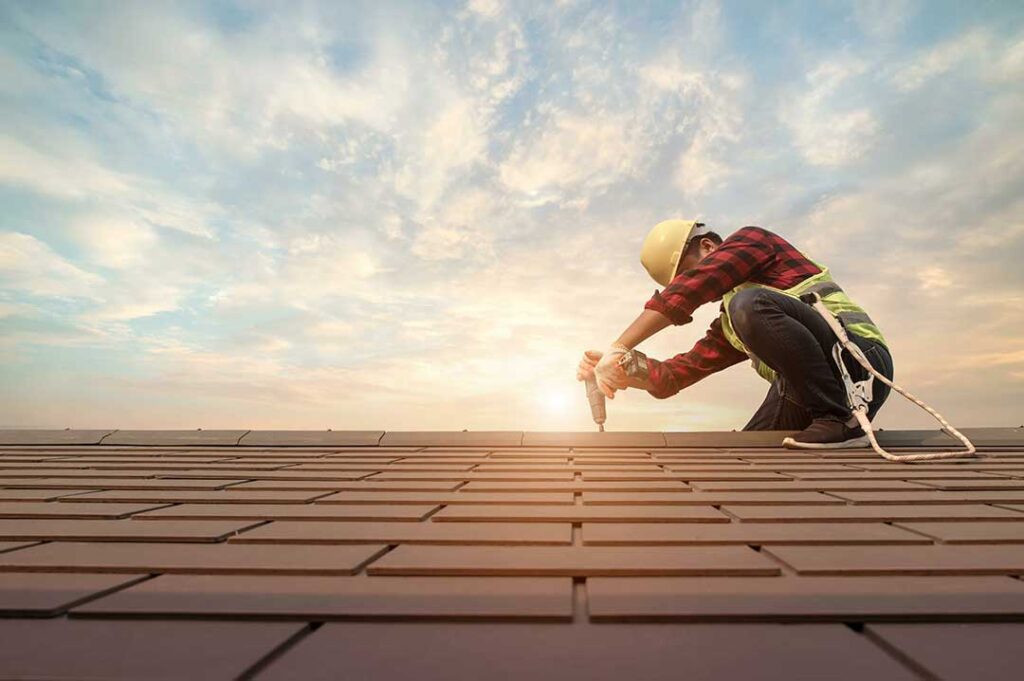
Which roofing materials are commonly used on homes?
The most common residential roofing materials are asphalt shingles, metal, wood shingles or shakes, slate, and synthetic roofing products. Each has different strengths involving cost, lifespan, weather resistance, appearance, maintenance, and repair needs.
For households in Dansville, the most useful comparison is not simply which material lasts the longest. Roof pitch, attic ventilation, snow and ice exposure, surrounding trees, home design, and the condition of the existing roof all affect whether a material performs well.
Are asphalt shingles a practical choice?
Asphalt shingles are widely used because they offer a relatively manageable initial cost, many style options, and straightforward installation. They are available in basic three-tab designs and heavier architectural styles that provide more texture and dimensional appearance.
Advantages include:
- Lower upfront cost than many premium roofing materials
- Broad availability and familiarity among roof installers
- Simple repair and replacement for common types of damage
- Compatibility with many traditional home designs
- A range of colors and profiles
Potential drawbacks include:
- Shorter service life than slate, metal, or some synthetic products
- Gradual loss of surface granules from weather and aging
- Vulnerability to high winds, hail, falling branches, and poor ventilation
- Dark colors may absorb more heat during summer
- Lower-quality materials may show wear sooner
In a four-season climate, asphalt shingles can perform well when properly installed and supported by adequate attic ventilation. Problems often develop when shingles are installed over a deteriorated roof deck, flashing is neglected, or ventilation allows heat and moisture to accumulate beneath the roof.
What are the pros and cons of metal roofing?
Metal roofing is valued for durability and resistance to many forms of weather exposure. Panels may be made from steel, aluminum, or other metals, with finishes designed to resist corrosion and fading.
Metal roofs can shed rain and snow efficiently, especially when the roof has enough slope. They are also less likely than asphalt shingles to absorb moisture or develop moss in shaded areas.
Benefits may include:
- Long service life when properly installed and maintained
- Good resistance to wind, fire, and moisture
- Lightweight construction compared with slate or tile
- Reduced risk of rot and insect damage
- Compatibility with some energy-efficient roof assemblies
Metal roofing also has limitations. The initial cost is usually higher than asphalt shingles. Poorly fastened panels may loosen, and exposed fasteners can eventually require attention. Metal can be noisy during heavy rain if the roof assembly lacks adequate insulation or underlayment.
Snow sliding is another consideration. A smooth metal surface may allow snow to release suddenly, which can affect walkways, lower roofs, vehicles, or landscaping. Snow guards may be appropriate in some locations, but their use depends on roof layout and household conditions.
Do wood shingles or shakes work well in this climate?
Wood roofing can provide a distinctive appearance and may suit older homes, cabins, and houses with natural exterior materials. Wood shingles are generally more uniform, while shakes have a rougher, more textured appearance.
The main advantage is appearance. Wood can also provide some natural insulating value. However, it requires more attention than many other roofing materials.
Moisture is the primary concern. Roofs beneath mature trees, in heavily shaded areas, or near locations with limited air movement may dry slowly after rain or snow. That increases the chance of moss, algae, rot, and deterioration.
Wood roofing may also be restricted by local building requirements or fire-safety considerations. It should not be selected based only on appearance. The type of wood, treatment, roof ventilation, spacing between shingles, and surrounding site conditions all matter.
Is slate roofing worth its weight and cost?
Slate is a natural stone roofing material known for a long service life and a formal, traditional appearance. Properly maintained slate can last for many decades, sometimes far longer than common asphalt roofing.
Its main strengths are durability, resistance to fire, low moisture absorption, and strong visual character. Slate is also less affected by ordinary sunlight and temperature changes than many lighter-duty materials.
The disadvantages are significant:
- High material and installation cost
- Considerable weight
- Need for a roof structure capable of supporting it
- Specialized repair requirements
- Greater risk of damage if walked on improperly
- Difficulty matching older slate during repairs
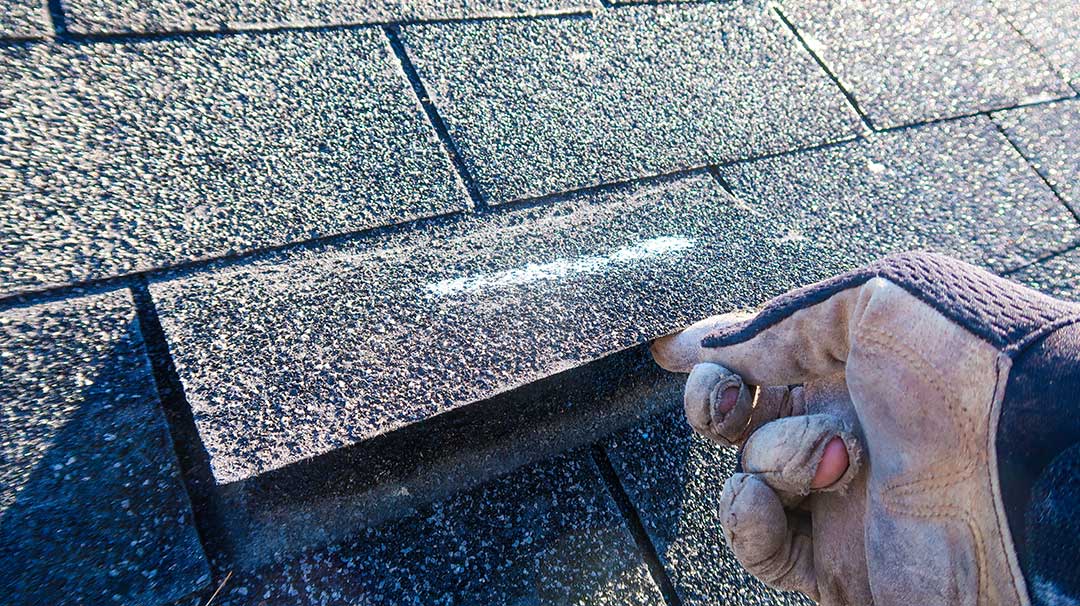
Slate may be unsuitable for a house that was not designed to support its weight. Replacing it with a lighter material can also change the appearance and may affect historic character. Any decision involving slate should account for the condition of the structural framing, underlayment, flashing, and existing fasteners.
What are synthetic roofing materials?
Synthetic roofing products are manufactured to imitate slate, wood, or other traditional materials while reducing weight. They may be made from polymers, recycled materials, or composite mixtures.
Their advantages can include lighter structural demands, consistent sizing, resistance to rot, and easier handling than natural slate. Some products are also designed to resist impact or weather-related wear.
The disadvantages depend heavily on the specific product. Synthetic materials vary in quality, appearance, repair methods, and long-term performance. Their track record may also be shorter than that of established materials such as slate or asphalt shingles.
A synthetic roof should be evaluated by its tested performance, installation requirements, warranty limitations, repair availability, and compatibility with the existing roof structure. A lower weight does not automatically mean lower total cost.
How do snow, ice, and shade affect the choice?
Roofing materials do not prevent ice dams by themselves. Ice dams usually result from uneven roof temperatures, heat escaping into the attic, inadequate ventilation, and snow remaining on colder roof edges.
Material selection still matters. A roof with a smooth surface may shed snow more readily, while textured shingles may hold snow in place longer. Neither condition is automatically better; uncontrolled snow release and persistent snow loading can both create hazards.
Homes beneath trees or on shaded lots may need special attention to moisture and organic debris. Leaves can collect in valleys and behind roof features, while branches may scrape or puncture roofing surfaces. Metal, slate, and asphalt all require maintenance in these conditions, although the type of damage may differ.
Which material is the most affordable over time?
The least expensive material to install is not always the least expensive over its full service life. A useful comparison includes the original installation, expected lifespan, maintenance, repairs, structural changes, removal costs, and disposal.
Asphalt shingles often have the lowest initial cost. Metal may cost more at first but last longer and require fewer replacement cycles. Slate can provide exceptional longevity but may involve higher structural and repair expenses. Wood may require more regular maintenance, particularly in damp or shaded settings.
Homeowners should also consider whether the roof design includes valleys, dormers, skylights, chimneys, or multiple slopes. Complex roof geometry increases labor and flashing requirements regardless of the chosen material.
What should be checked before selecting a roofing material?
The roof itself should be evaluated before comparing color or appearance. Important questions include:
- Is the roof deck sound and free from rot?
- Is attic ventilation adequate?
- Are gutters, valleys, and flashing functioning properly?
- Can the structure support a heavier material?
- Is the roof steep enough for the selected product?
- Are there nearby trees that create shade or falling-branch risks?
- Will snow slide toward doors, walkways, or lower roofs?
- Are local permit or fire-safety requirements relevant?
- Can damaged sections be matched and repaired later?
For homes with active leaks, sagging roof sections, exposed electrical components, or unsafe access conditions, evaluation by a qualified roofing or building professional is a safety matter rather than a sales decision. Interior staining can continue to worsen even when the roof appears intact from the ground.
The most suitable roofing material is the one that fits the home’s structure, roof design, weather exposure, maintenance expectations, and long-term budget. In Dansville, practical performance through snow, freeze-thaw cycles, wind, rain, and seasonal shade often matters more than appearance alone.
