
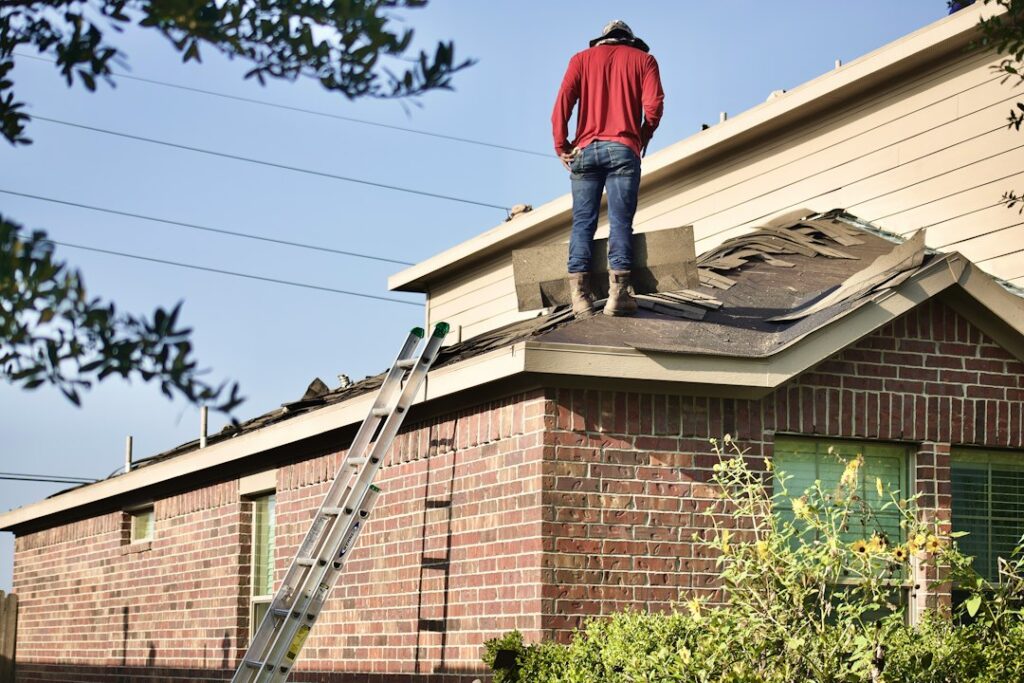
A professional roof inspection is a structured review of the roof system, not simply a quick look at the shingles. The inspector examines visible roofing materials, drainage components, attic conditions, flashing, ventilation, and signs of moisture or structural trouble. The purpose is to identify current defects, estimate how urgently they need attention, and document conditions that may become more serious over time.
For homeowners in Dansville, NY, inspections can be especially useful after heavy snow, wind, ice, repeated freeze-thaw cycles, or long periods of wet weather. These conditions may cause damage that is not immediately visible from the ground or from inside the living space.
Why is a roof inspection performed?
A roof inspection is performed to understand the condition, performance, and remaining serviceability of the roofing system. It may be requested after a storm, before buying or selling a home, during a home maintenance review, or when leaks and interior staining appear.
An inspection can help answer practical questions such as:
- Are the shingles damaged, worn, loose, or missing?
- Is water entering around vents, chimneys, skylights, or roof edges?
- Are gutters and downspouts moving water away from the structure?
- Is the attic properly ventilated?
- Are there signs of rot, mold-like growth, damp insulation, or wood deterioration?
- Are repairs needed immediately, or can maintenance be planned?
A roof inspection is different from a roof replacement proposal. Its primary purpose is evaluation and documentation rather than selling a particular repair or material.
What happens before the inspection begins?
The inspector usually starts by asking about the roof’s history and any concerns noticed by the occupants. Helpful information may include the approximate age of the roof, previous repairs, unusual odors, ceiling stains, ice buildup, or changes noticed after a storm.
The inspector may also ask whether attic access is available. In many homes, the attic provides useful evidence that cannot be seen from the exterior. Water stains, compressed insulation, daylight through roof joints, and damaged wood can help identify leaks or ventilation problems.
Homeowners can make the process easier by clearing access to the attic hatch and mentioning rooms where staining or dampness has appeared. Moving stored items away from the access point may also reduce delays.
How is the exterior roof examined?
The exterior review generally begins at ground level. The inspector looks at roof slopes, roof lines, valleys, gutters, downspouts, eaves, soffits, fascia, and visible flashing. This first view can reveal sagging, uneven surfaces, missing materials, overflowing gutters, or stains below roof edges.
If conditions are safe, the inspector may examine roof surfaces more closely using a ladder, walking the roof, or using other equipment. The method depends on roof pitch, surface condition, weather, height, and access. A steep, icy, wet, fragile, or heavily deteriorated roof may be evaluated from a safer position rather than walked.
Visible roofing materials are checked for:
- Cracked, curled, lifted, blistered, or missing shingles
- Exposed fasteners or deteriorated sealant
- Excessive granule loss
- Damaged ridge caps and hip caps
- Weak areas, depressions, or signs of sagging
- Moss, algae, or organic buildup that may retain moisture
- Improperly installed patches or mismatched repair areas
Not every surface mark indicates an active leak. For example, dark staining may result from aging, biological growth, or trapped moisture. The inspector considers the location, pattern, and surrounding materials before drawing a conclusion.
What are flashing and roof penetrations?
Flashing is the material used to direct water away from joints and transitions. It is commonly found around chimneys, plumbing vents, skylights, walls, roof valleys, and changes in roof slope. These locations receive special attention because water can enter through small gaps even when the surrounding shingles appear to be in good condition.
The inspection may include checking for:
- Rusted, loose, bent, or missing flashing
- Cracked sealant around penetrations
- Damaged plumbing vent boots
- Open joints near walls or chimneys
- Poorly integrated step flashing
- Water pathways beneath roofing materials
Roof penetrations are common sources of leaks because they interrupt the continuous surface of the roof. A ceiling stain below a vent or chimney does not always mean the leak begins directly above that spot. Water can travel along sheathing, framing, or insulation before becoming visible indoors.
Is the attic inspected too?
Yes, attic inspection is often an important part of a complete roof evaluation. The attic can show evidence of leaks, condensation, inadequate ventilation, and structural movement.
The inspector may look for:
- Darkened or stained roof decking
- Damp insulation or compressed insulation
- Rusted nails or metal components
- Frost or condensation residue
- Daylight visible through roof joints
- Damaged rafters, trusses, or roof sheathing
- Evidence of pests or nesting
- Blocked soffit vents
- Inadequate or uneven ventilation

A roof can appear acceptable from the outside while still having attic moisture problems. In cold weather, warm indoor air that reaches the attic can condense on cold surfaces. Poor ventilation, air leaks around light fixtures or attic hatches, and blocked intake vents may contribute to this condition.
Attic moisture is not automatically proof that the roof leaks. The inspector must distinguish between rainwater entry, plumbing leaks, indoor air leakage, and condensation.
What about gutters, drainage, and roof edges?
Gutters and downspouts are part of the roof drainage system, so they are normally included in the inspection. The inspector checks whether water can move freely away from the roof and foundation.
Common concerns include:
- Gutters that sag or pull away from the fascia
- Heavy sediment or shingle granules
- Blocked outlets
- Loose downspouts
- Water staining below the eaves
- Downspouts that discharge too close to the foundation
- Ice-related distortion or damage
In areas that experience snow and freezing temperatures, drainage problems may become more noticeable after winter. Ice can form along roof edges, place extra weight on gutters, and force water beneath roofing materials. Proper drainage does not eliminate winter risks, but blocked or poorly directed water can make them worse.
How are findings documented?
A written inspection report typically describes observed conditions, supporting photographs, affected areas, and recommendations for monitoring, maintenance, repair, or further evaluation. A clear report should separate visible facts from assumptions.
Findings are often grouped by urgency:
- Routine maintenance: Cleaning, minor sealant work, or monitoring
- Recommended repair: A defect that should be corrected to prevent further deterioration
- Urgent concern: Active leaking, exposed roof decking, unsafe structural conditions, or significant storm damage
- Further evaluation: A condition requiring a specialist, testing, or limited access before a definite conclusion can be made
A report may also explain limitations. Snow cover, inaccessible attic areas, dense vegetation, unsafe roof conditions, or concealed components can prevent a complete visual review.
What should homeowners ask after the inspection?
Homeowners should be able to understand what was observed, where it was found, and how certain the inspector is about the cause. Useful questions include:
- Is there evidence of an active leak or only past staining?
- Which conditions require prompt attention?
- Are the concerns related to roofing materials, flashing, ventilation, drainage, or structure?
- What areas were inaccessible?
- Is temporary protection needed?
- Which repairs can be monitored during normal maintenance?
- Does the roof appear suitable for another season, or is further evaluation needed?
A roof inspection provides information, not a guarantee that hidden damage does not exist. Roofing systems contain concealed layers, and some problems become clearer only during rain, snowmelt, or follow-up investigation. Still, a careful inspection can give residents a more accurate understanding of their roof and help prevent small issues from being overlooked.
