
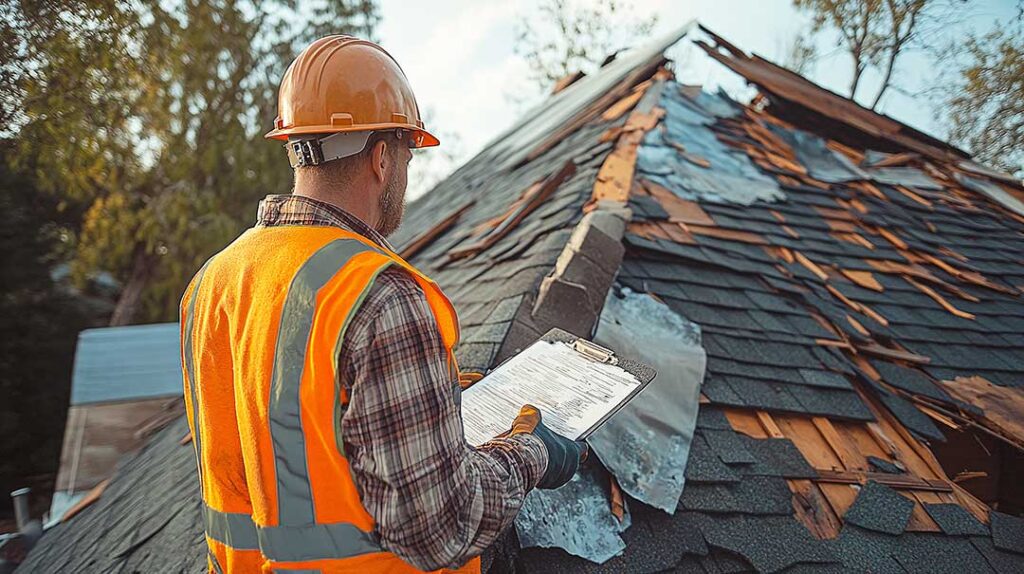
Roof discoloration is not always mold. Dark streaks, green patches, fuzzy growth, and musty odors can come from algae, mildew, moss, or indoor moisture moving through the roof system. Identifying the type of growth and finding its moisture source are the first steps toward preventing roof damage.
What does mold or mildew look like on a roof?
Mold and mildew may appear as irregular black, gray, white, brown, or green patches. The appearance can vary depending on the roofing material, how long moisture has been present, and whether the growth is on the roof surface or underneath it.
Common signs include:
- Dark stains or blotches that do not wash away with ordinary rain
- Fuzzy or powdery growth on wood, roofing underlayment, or attic insulation
- Green or gray patches in shaded areas
- A musty odor in the attic or upper floors
- Discoloration around roof penetrations, chimneys, vents, or skylights
- Damp rafters, roof decking, or insulation
- Peeling paint or water stains on ceilings below the roof
On asphalt shingles, long black or brown streaks are often algae rather than mold. Algae can make the roof look dirty but may not indicate that moisture has entered the building. Moss, by contrast, has a thicker, raised appearance and can hold water against the shingles.
Mold is more likely when growth is found on damp wood, insulation, drywall, or other materials beneath the roof covering.
How can you tell mold, mildew, algae, and moss apart?
These terms describe different types of growth, although they can appear together.
Mildew is generally a surface-level fungal growth. It may look white, gray, or pale green and often develops where moisture remains for extended periods.
Mold can have a broader range of colors and textures. It may appear slimy, fuzzy, powdery, or irregular. Mold is more concerning when it is growing inside the attic or around a roof leak.
Algae commonly creates dark streaks on shingles. It spreads across damp roof surfaces and is especially noticeable on slopes that receive limited direct sunlight.
Moss forms a thicker green layer or small tufts. It can lift shingle edges, interfere with drainage, and retain moisture against the roof.
Color alone cannot confirm what type of growth is present. A surface that looks black may be algae, dirt, mold, or a combination of materials. The location and texture provide better clues than color by itself.
Where is roof-related mold most likely to appear?
Roof mold usually develops where water or humid air cannot dry quickly. Typical locations include the underside of the roof decking, attic rafters, insulation, roof valleys, and areas near flashing.
Pay particular attention to:
- Roof valleys where rain and melting snow collect
- Areas around chimneys, plumbing vents, and exhaust vents
- Places where shingles are missing, cracked, curled, or lifted
- The lower edge of the roof near clogged gutters
- Attic corners with poor air movement
- Spots below bathroom or kitchen exhaust fans
- Areas around ice damming or repeated winter roof runoff
In Dansville, seasonal rain, snow, freezing temperatures, and spring thawing can repeatedly wet roofing materials. Older homes may also have limited attic ventilation or insulation gaps that allow warm indoor air to condense beneath the roof.
Does roof discoloration always mean there is a leak?
No. Surface staining does not automatically mean the roof is leaking into the home. Algae and moss can grow on shingles without causing immediate interior water damage.
However, discoloration deserves closer attention when it occurs with:
- Ceiling stains
- Damp attic insulation
- Soft or dark roof decking
- Peeling interior paint
- A musty smell
- Dripping or wet areas after rain or snowmelt
- Rust around fasteners or metal flashing
A roof can also leak without producing an obvious ceiling stain. Water may travel along rafters, insulation, or framing before becoming visible indoors. A small attic inspection can sometimes reveal moisture problems earlier than an interior room inspection.
How should a homeowner inspect for mold safely?
A ground-level inspection is the safest starting point. Look for uneven shingle surfaces, missing materials, heavy moss, dark patches, damaged flashing, and blocked drainage. Binoculars can help examine upper roof areas without climbing.
Inside the attic, inspect only when the space is dry, stable, and safely accessible. Use a flashlight and look for:
- Darkened or stained wood
- Damp insulation
- Condensation on nails or roof decking
- Peeling or deteriorated roof sheathing
- Mold-like growth around vents and penetrations
- Signs of repeated water entry
Do not walk on roof surfaces that are wet, icy, moss-covered, steep, or visibly damaged. Avoid entering an attic with sagging framing, exposed electrical hazards, standing water, or significant mold growth.
People with asthma, chronic lung disease, mold allergies, or weakened immune systems should avoid disturbing moldy materials. Mold removal can release particles into the air, and protective equipment is needed for cleanup work.
What conditions encourage mold and mildew growth?
Moisture is the central factor. A roof may develop biological growth when water remains on the surface or when humid air becomes trapped underneath it.
Common causes include:
- Roof leaks around flashing or penetrations
- Clogged gutters or downspouts
- Poor attic ventilation
- Inadequate insulation
- Bathroom or kitchen fans venting into the attic
- Snow or ice that repeatedly melts and refreezes
- Overhanging branches that shade and abrade the roof
- Leaves and organic debris collecting in roof valleys
- Roof materials that are near the end of their service life
Warm, moist indoor air can condense on cold roof decking during the heating season. This can create mold-like staining even when the shingles appear intact. Ventilation problems should therefore be considered alongside exterior roof damage.
Can mold or mildew be cleaned from shingles?
Some surface growth can be reduced, but aggressive cleaning can damage roofing materials. Pressure washing may remove granules from asphalt shingles, loosen roofing components, and force water beneath the roof covering.
Do not scrape, brush, or spray from a ladder or roof slope unless the work can be done safely and the roofing material is suitable for the method. Household cleaners should never be mixed, and bleach should not be combined with ammonia or other cleaning products.
Cleaning the visible growth without correcting the moisture source usually leads to recurrence. If growth is present in attic insulation, roof decking, drywall, or other porous materials, simply painting over it or applying a surface treatment does not solve the underlying problem.
When does roof mold require prompt attention?
Prompt evaluation is appropriate when mold-like growth is accompanied by an active leak, sagging ceiling, wet insulation, damaged electrical components, or widespread attic staining. Roof damage after a major storm, heavy snow event, or ice buildup also deserves attention before the next period of wet weather.
A small, isolated area may be easier to control than a widespread problem. The key questions are whether moisture is still entering, whether structural materials are affected, and whether indoor air quality may be impacted.
For routine monitoring, photograph suspicious areas from a safe location, note when the growth was first observed, and check whether it expands after rain, snowmelt, or periods of high humidity. Changes over time can help distinguish a one-time stain from an active moisture problem.
