
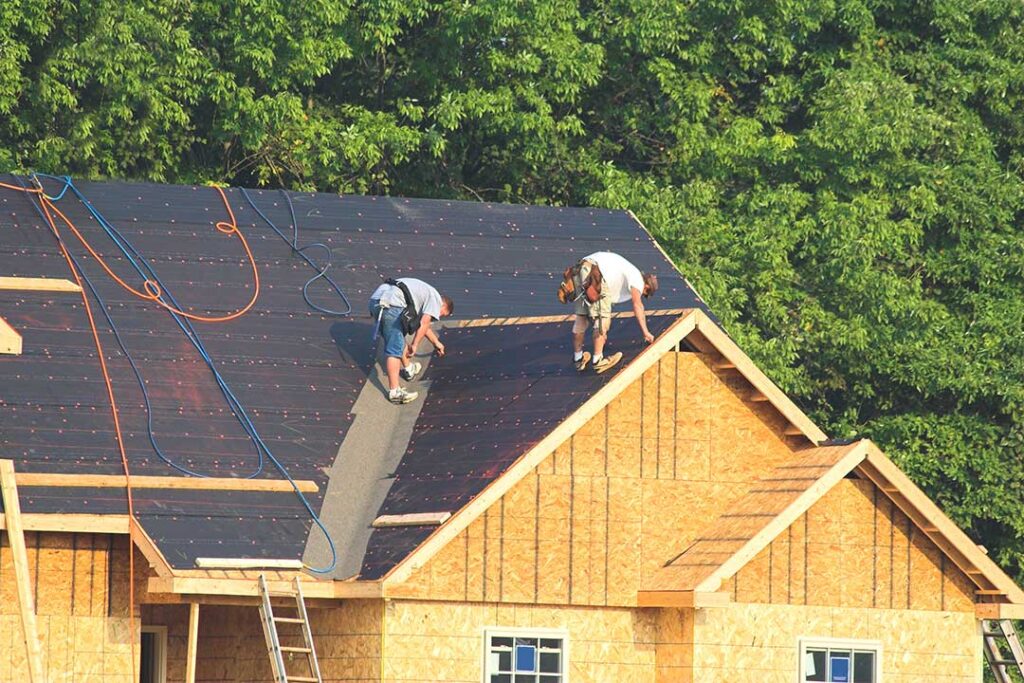
Roof cleaning is mainly a safety and maintenance task, not a cosmetic project. The safest approach is to identify the roof material, remove loose debris without damaging the surface, and avoid climbing whenever conditions are wet, icy, steep, or otherwise unstable.
In Dansville, NY, seasonal moisture, leaf fall, snow, and freeze-thaw cycles can leave roofs covered with organic debris. A small amount of surface dirt is usually harmless, but heavy moss, blocked drainage, and persistent dampness can contribute to premature wear.
What should be checked before cleaning a roof?
Before any cleaning begins, inspect the roof from the ground and from accessible areas such as windows, a porch, or an attic. Do not climb onto the roof simply to perform an inspection.
Look for:
- Dark streaks or broad patches of algae
- Moss growing along shingle edges or in shaded areas
- Leaves and twigs collecting in valleys
- Damaged, curled, cracked, or missing shingles
- Sagging areas or visible depressions
- Rusted flashing around chimneys, vents, or roof transitions
- Gutters that appear full or pull away from the roofline
- Water stains, musty odors, or daylight visible in the attic
Moss is more than a discoloration. Its root-like structures can lift shingle edges and hold moisture against the roof. Algae usually causes staining but may indicate that a roof surface stays damp for long periods.
If the roof has widespread damage, soft spots, exposed underlayment, or signs of leakage, cleaning should not be treated as a do-it-yourself repair project.
Is it safe to walk on a roof?
Walking on a roof is not automatically safe, even when the surface looks dry. Asphalt shingles can become slippery from algae, frost, dew, or fine granules. Steep roof sections, fragile older shingles, and areas near the edge create additional fall hazards.
Avoid roof access when:
- The roof is wet, frosted, icy, or snow-covered
- Wind makes ladders or equipment unstable
- The roof is steep or difficult to reach safely
- The surface is brittle, damaged, or heavily moss-covered
- The work would require standing near an unprotected edge
- Power lines, tree limbs, or overhead obstructions are nearby
A ladder should rest on stable, level ground and extend above the roof edge when used for access. It should not be placed on ice, loose soil, or an unstable deck. Someone should remain nearby while the ladder is in use, but a second person does not eliminate the risk of a fall.
For many homes, ground-based cleaning with an extension tool is safer than climbing. If safe access is not possible, stopping is the correct decision.
How can loose leaves and debris be removed safely?
Loose debris should be removed before applying any cleaning solution. A soft roof rake, telescoping brush, or low-pressure air method may work from a safe position, depending on the roof design and surrounding property.
Use light strokes that follow the slope of the shingles. Avoid scraping upward against shingle edges. Do not drag heavy tools, buckets, or hoses across the roof.
Debris should also be cleared from:
- Roof valleys
- Around plumbing vents
- Behind chimneys
- Skylight edges
- Gutters and downspouts
- Areas where branches rest against the roof
Leaves in gutters can cause water to back up beneath roofing materials, particularly during heavy rain or rapid snowmelt. Downspouts should discharge water away from the foundation, but extensions should not create trip hazards or direct water toward a neighboring property.
What cleaning method is appropriate for asphalt shingles?
Asphalt shingles should generally be cleaned with a low-pressure method. A diluted cleaning solution designed for roofing materials can be applied gently and allowed to loosen algae or moss. The solution should then be rinsed with low-pressure water, following the shingle manufacturer’s instructions.
Never use a pressure washer on asphalt shingles. High-pressure water can remove protective granules, force water beneath shingle tabs, damage flashing, and shorten the roof’s service life. A strong spray can also spread debris and dirty runoff onto siding, windows, gardens, and walkways.
A safe process usually includes:
1. Protecting nearby plants and surfaces from runoff.
2. Removing loose leaves and twigs.
3. Applying a roof-compatible solution from a safe position.
4. Allowing adequate dwell time without letting the solution dry excessively.
5. Rinsing gently in the direction of water flow.
6. Checking gutters and downspouts afterward.
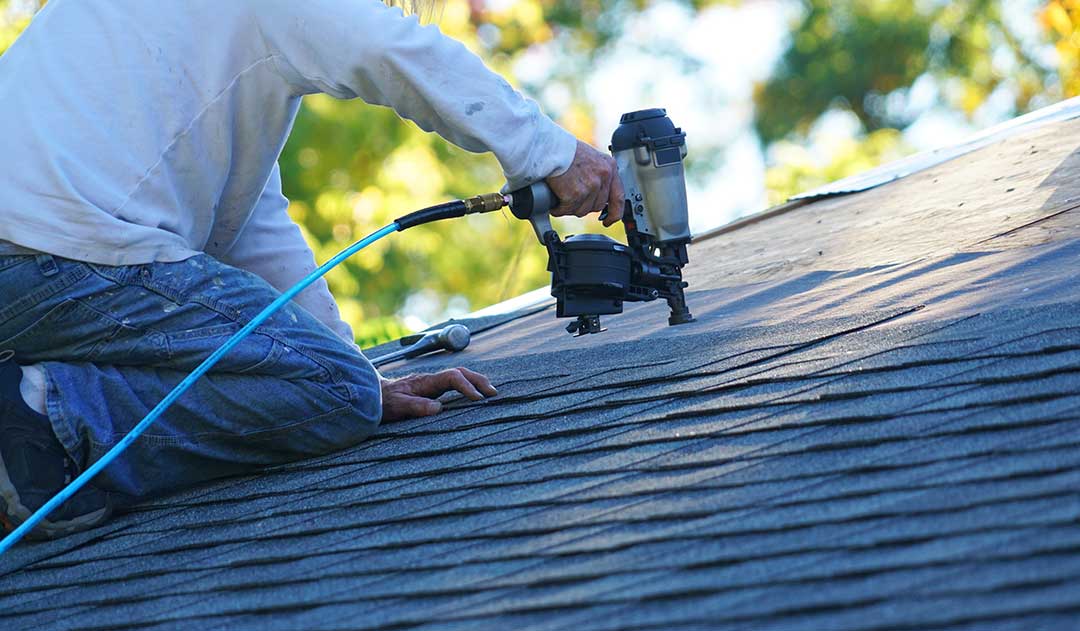
Household cleaners should not be mixed. In particular, bleach-based products must not be combined with ammonia, acids, or other chemicals. Read the product label, use appropriate eye and skin protection, and keep children and pets away from wet runoff.
How should moss be handled?
Moss should not be aggressively scrubbed or pulled from shingles. Pulling can remove granules and lift the roofing material. A cleaning solution may kill or loosen moss gradually, after which dead growth can be removed carefully when it releases naturally.
Moss often returns where branches shade the roof and moisture remains trapped. Long-term prevention may include:
- Trimming branches that rub against the roof or block airflow
- Keeping gutters and valleys clear
- Improving ventilation where appropriate
- Correcting drainage problems
- Installing compatible metal strips near the roof ridge when suitable for the roofing system
Metal strips are not appropriate for every roof, and their use should not involve cutting or altering shingles without understanding the roof assembly.
Can other roofing materials be cleaned the same way?
No. Roof materials require different cleaning methods.
Wood shingles and shakes can be damaged by strong chemicals, rough brushing, and excessive water. Clay or concrete tile may crack under foot traffic or impact. Metal roofing can be scratched, stained, or affected by incompatible chemicals. Older roofing materials may be especially fragile.
Before cleaning, identify the material and review any available manufacturer guidance. If the roof’s age, construction, or covering is uncertain, avoid experimenting with a chemical or tool on the entire surface. A small, inconspicuous test area may reveal staining or damage, but testing does not make an unsafe roof safe to walk on.
How should roof cleaning be timed in the local climate?
The most practical cleaning window is usually a dry, mild period when the roof surface is free of frost and the forecast allows time for runoff to be managed. Spring can reveal damage after winter, while late summer or early fall may be useful for removing accumulated organic debris before leaf season and snow.
Cleaning should be postponed during:
- Freezing temperatures
- Rain or expected heavy rainfall
- Strong wind
- Snow or ice conditions
- Very hot conditions that cause solutions to dry too quickly
After major storms, inspect from the ground for displaced shingles, fallen branches, or damaged flashing. Do not climb onto a roof to investigate storm damage if the surface is unstable.
When is professional help genuinely necessary?
Professional assistance is warranted when the roof is steep, high, fragile, heavily moss-covered, structurally damaged, or difficult to access safely. It is also appropriate when cleaning would require walking near an unprotected edge, working around electrical hazards, or handling chemical runoff near sensitive landscaping or water sources.
The key issue is not whether cleaning is technically possible. It is whether the work can be completed without creating a fall hazard, damaging the roof, or sending contaminated runoff into areas where it does not belong.
For many houses, the safest maintenance plan is a ground-level inspection, careful gutter cleaning from stable access, removal of nearby branches, and prompt attention to leaks or damaged roofing rather than attempting to scrub the entire roof surface.
