

Why Do Roof Inspections Matter for Homes in Dansville, NY?
A regular roof inspection helps local homeowners spot early signs of wear before they become bigger, costlier problems. Dansville experiences snowy winters, occasional ice dams, strong winds, and seasonal rain—all of which challenge roofs in both older and newer homes. Proactive inspections can often add years to the life of a roof and reduce unexpected repair needs.
In this community, roofs are often stressed by freeze-thaw cycles, accumulated snow, and shifting temperatures. Even newer homes can face issues if a roof isn’t checked after a harsh winter or severe wind event.
How Often Should Residents Inspect Their Roofs?
Most area households should visually check their roofs twice a year: once after winter’s thaw and again late in the fall before snow returns. Storms, fallen branches, or persistent ice dams are also good reasons to take a closer look. Routine checks help catch new damage from weather or wildlife.
While full professional inspections may only be required every few years for relatively new roofs in good condition, a few minutes with binoculars (from the ground for safety) or a clear view from a window can alert homeowners to obvious issues.
What Should You Look for During a Roof Inspection?
A visual check, performed safely from the ground or an upper window, covers many of the basics:
- Missing, cracked, or curling shingles—especially after storms.
- Dark streaks or moss, which can signal moisture problems or algae growth.
- Damaged or missing flashing around chimneys, skylights, or vent pipes.
- Sagging spots or areas that look uneven.
- Debris piles, fallen branches, or clogged gutters, which disrupt water flow.
Inside the home, look for:
- Stains on ceilings or walls, especially after snowmelt or heavy rain.
- Dampness in the attic, musty odors, or visible daylight through the roof boards.
Most major problems start small. Catching these early is far easier—and less expensive—than dealing with leaks or water damage down the line.
Are Local Weather Patterns Hard on Roofs?
Dansville’s climate means roofs undergo significant seasonal stress. Area winters can load roofs with heavy snow and ice, and thaw cycles lead to water working under shingles. This makes it especially important to check for loose or missing materials after winter.
Spring and summer storms sometimes bring high winds or hail. After severe weather, homeowners should walk around their property and look for new debris, damaged shingles, or dislodged flashing.
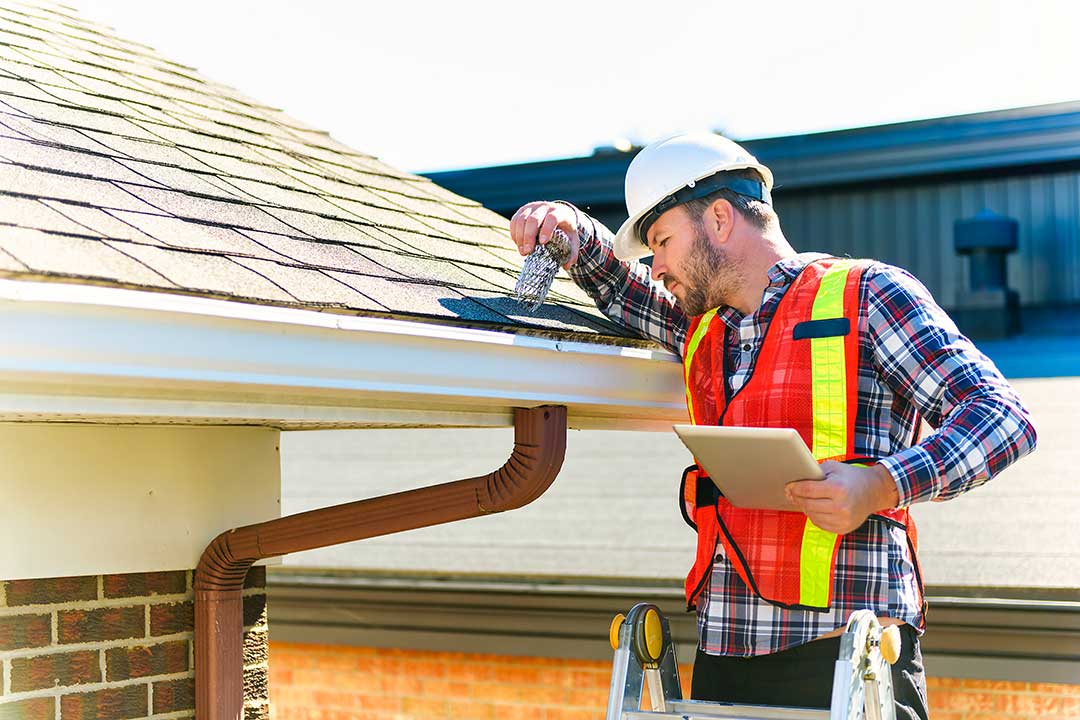
Gutters and downspouts also get blocked by falling leaves and pine needles, particularly in yards with mature trees. Blocked drainage can cause overflows that back up under shingles or leak into the home’s structure.
What Are Common Misconceptions About Roof Inspections?
Some homeowners assume a roof that “looks fine” from the yard is problem-free. However, hidden damage can remain unnoticed until water starts entering the house. Small issues, such as a single missing shingle or a loose nail, often lead to leaks months later if left unchecked.
Another misconception is that inspections are only needed for older roofs. Severe weather, poor installation, or even animals can damage newer roofs. It’s less about the roof’s age and more about exposure to risk factors and recent weather events.
How Do You Safely Check Your Roof?
Climbing onto a roof carries serious risks, especially in areas with frequent rain, ice, or snow. Whenever possible, use binoculars to scan the surface from the ground or examine upper levels through a window. Steep or multistory roofs should not be accessed without proper experience.
If you observe signs of rot, large areas of missing shingles, or significant sagging, avoid climbing onto the roof. These are safety red flags because structural weakness may be present. If in doubt, it’s safer to consult someone with the right equipment and training for close-up assessment, particularly after major storms.
What Should You Do If You Find a Potential Problem?
If an inspection reveals small issues—like clogged gutters, a few missing shingles, or minor moss growth—many homeowners can safely address these with basic tools and caution. Sometimes, clearing debris or replacing a single shingle is a straightforward fix.
Major leak risks, substantial rot, or visibly unsafe conditions warrant further assessment. In these cases, repairs may require skills or tools most homeowners don’t possess themselves. Homeowners should prioritize safety and be wary of tackling anything that could worsen damage or pose hazards.
Documenting any damage with photos and keeping records can help with insurance claims if the issue stems from a storm or major event.
How Can Regular Inspections Help Extend the Life of a Roof?
Consistent attention is often the best defense against costly roof problems. Roofs in the local area endure years of harsh weather, and minor repairs now are more affordable than emergency fixes later. Homeowners who inspect regularly are more likely to catch issues like loose flashing, early leaks, or ponding water before they become serious.
Practical maintenance tasks uncovered in inspections—such as keeping gutters cleared and repairing small shingle problems—also help prevent water intrusion and mold growth. Even basic, routine effort can add years to the life of a roof.
